






Paying independent contractors at scale involves far more than sending money from one bank account to another. Every payout depends on a series of operational workflows, from collecting payment details and verifying recipient identities to gathering tax documentation, screening for compliance risks, routing payments through the appropriate payment rails, and reconciling completed transactions.
As payout volumes grow, these processes become increasingly difficult to manage manually. A platform paying a few dozen freelancers may be able to rely on spreadsheets, email, and disconnected financial systems. But once that grows to hundreds or thousands of recipients across multiple countries, manual workflows introduce delays, payment failures, compliance risks, and administrative overhead that become increasingly difficult to control.
Payment automation addresses these challenges by replacing repetitive manual processes with standardized, automated workflows. Rather than simply accelerating payments, modern payout infrastructure automates the entire recipient payment lifecycle, helping businesses scale global payout operations while improving accuracy, visibility, and the recipient experience.
In this guide, we’ll explain what payment automation is, which payment workflows organizations should automate first, when manual processes begin to break down, and what to look for in a scalable payment automation solution.
What we cover
- What is payment automation?
- What payment automation looks like for modern platforms
- The business impact of payment automation
- Automating compliance and tax workflows
- Key components of a scalable payment automation system
- When platforms outgrow manual payout operations
- Choosing the right payment automation platform
- FAQs

What is payment automation?
Payment automation is the use of software to automate the operational workflows involved in paying large numbers of recipients. Instead of manually collecting payment information, verifying recipient identities, preparing tax documentation, initiating payments, and reconciling transactions, organizations use automated systems to manage these processes through a centralized workflow.
The goal isn’t simply to process payments faster. It’s to create a scalable payout operation that reduces manual work, improves payment reliability, supports regulatory compliance, and delivers a better payment experience as recipient volumes continue to grow. For growing businesses that pay freelancers, creators, contractors, suppliers, royalty recipients, or marketplace sellers, payment automation is crucial.
What payment automation looks like for modern platforms
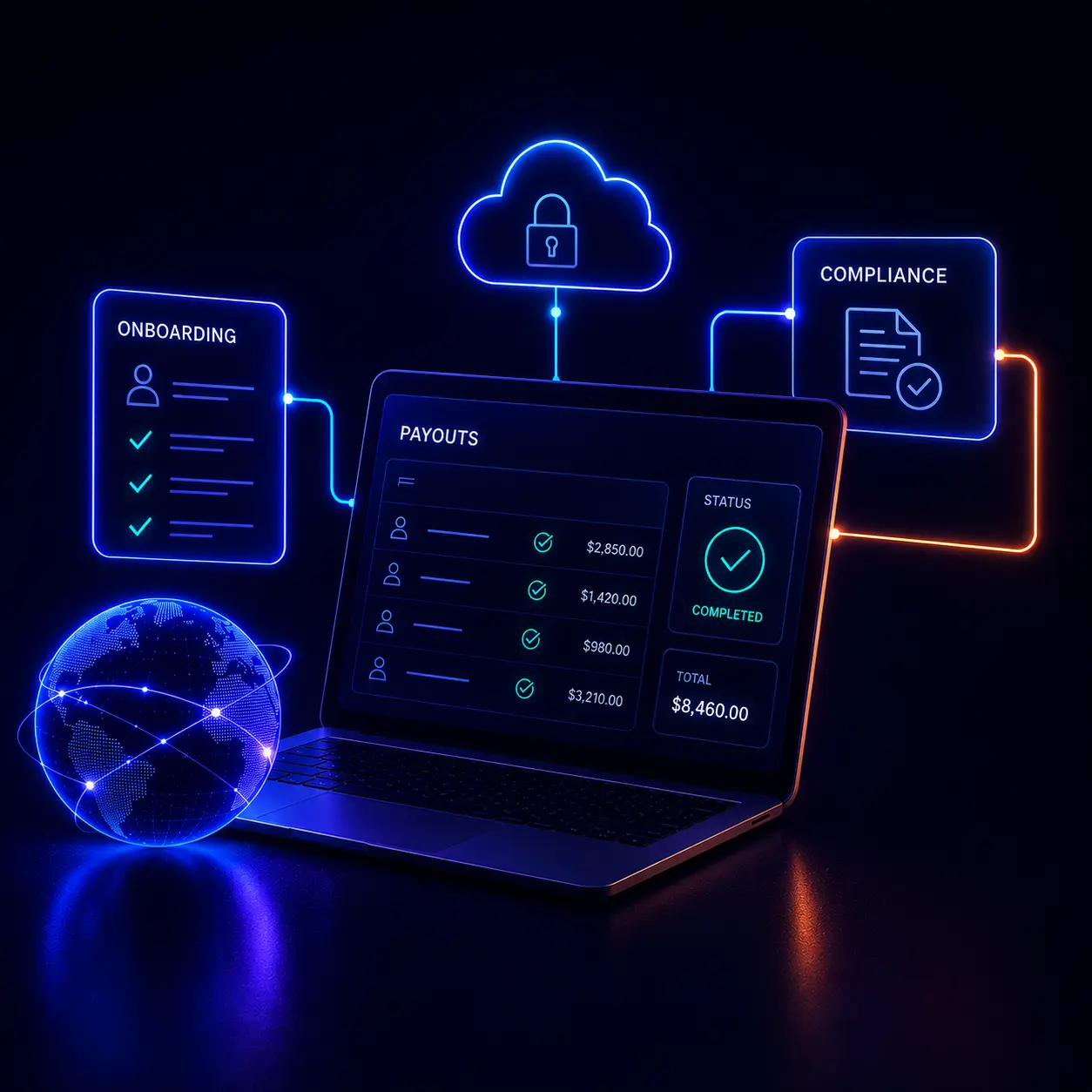
Modern payment automation platforms centralize the workflows required to pay recipients at scale. Rather than managing multiple disconnected systems for onboarding, compliance, payment processing, and reporting, organizations can automate much of the recipient lifecycle within a single payout infrastructure.
Common payment workflows that can be automated include:
- Recipient onboarding: Collect recipient information, payment details, and required documentation through self-service onboarding experiences instead of spreadsheets, PDFs, and email.
- Identity verification: Automate Know Your Customer (KYC) or Know Your Business (KYB) verification to help confirm recipient identities before payments are issued.
- Tax documentation: Automatically collect the appropriate tax forms based on recipient type and jurisdiction, validate information where supported, and centralize tax records for reporting.
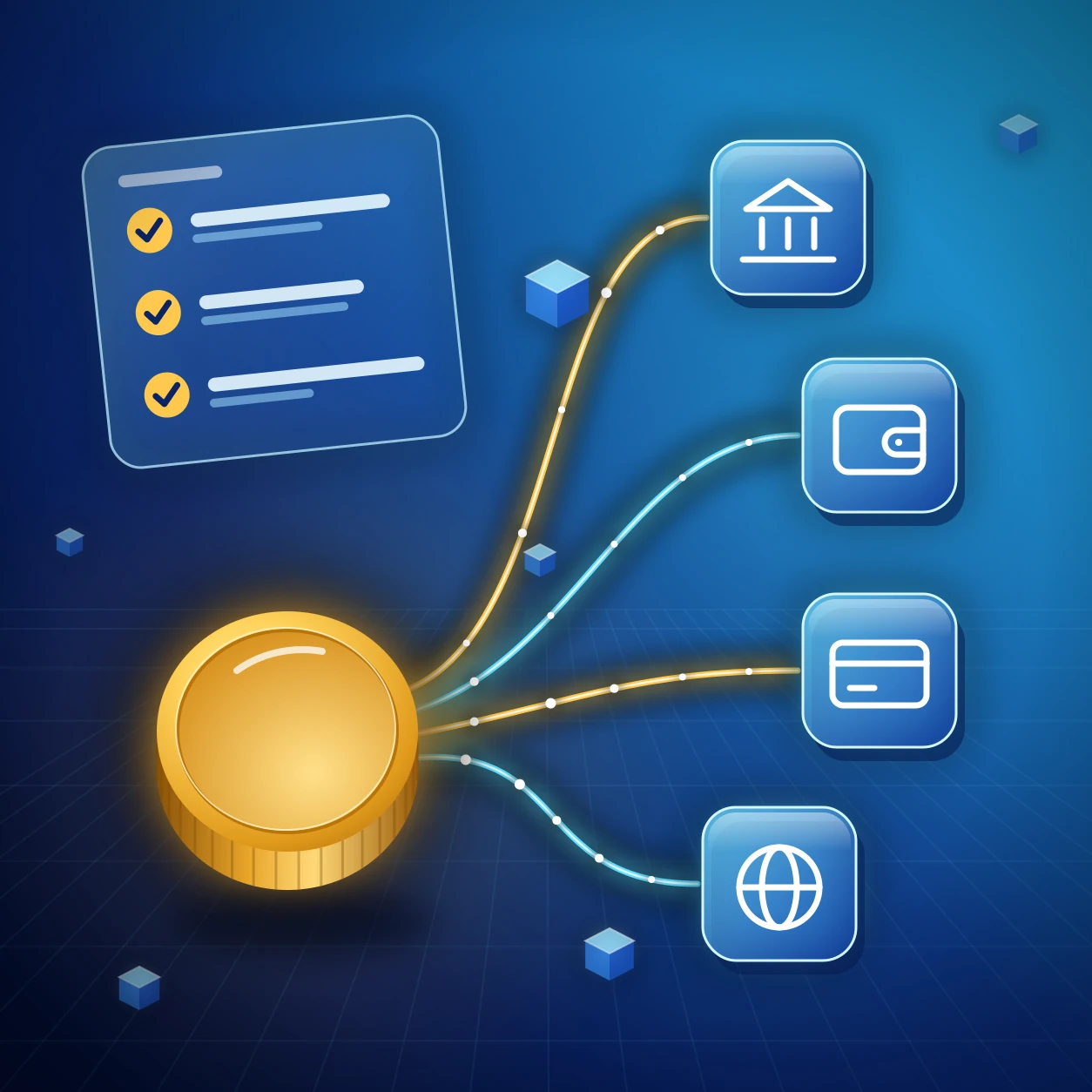
- Payment routing and execution: Trigger payouts according to predefined schedules or business rules while supporting multiple payment methods such as local bank transfers, ACH, SEPA, wire transfers, mobile wallets, or debit card payouts where available.
- Payment reconciliation: Match completed transactions with internal financial records to reduce manual reconciliation and improve financial visibility.
- Reporting and audit trails: Generate payment reports, maintain transaction histories, and centralize documentation needed for finance, compliance, and audit processes.
- Recipient communications: Automatically notify recipients when payments are scheduled, processing, completed, or require additional information, reducing support requests and improving transparency.
Automating these workflows helps companies reduce operational complexity while delivering a faster, more consistent payout experience.
The business impact of payment automation
Payment automation reduces the operational burden of managing payouts at scale.
As organizations expand into new markets or grow from hundreds to thousands of recipients, automation helps control operational costs without requiring proportional increases in manual work. Standardized workflows reduce payment errors, simplify reconciliation, and make it easier to manage increasingly complex compliance and reporting requirements.
Automation also improves the recipient experience. Faster, more reliable payouts help build trust with freelancers, creators, contractors, and other independent workers who often rely on timely payments to manage cash flow. According to recent research, 84% of freelancers would choose instant payments if given the option, while 37% say they prefer instant payouts because they reduce financial stress. Another 23% report that faster access to earnings would help them avoid borrowing money or paying interest. These expectations increasingly shape how workers evaluate the platforms they choose to work with.
While not every payment needs to be delivered instantly, automation gives organizations the flexibility to support faster payout methods where appropriate while maintaining the controls needed to manage high-volume payment operations.
Beyond payment speed, automation provides greater transparency throughout the payout process. Recipients can track payment status, receive automated notifications, and resolve issues more quickly, reducing “Where’s my payment?” support inquiries while giving finance teams better visibility into payment performance and exceptions.
Automating compliance and tax workflows
Payment automation extends well beyond moving money. For organizations paying independent contractors globally, some of the most time-consuming processes involve collecting tax documentation, performing identity verification, screening for compliance risks, and maintaining accurate records for reporting.
Automating these workflows helps reduce administrative overhead while improving consistency and reducing the risk of errors.
For example, payment automation platforms can automatically request the appropriate tax documentation based on a recipient’s location and tax status, such as Form W-9 for U.S. persons or the appropriate Form W-8 series for non-U.S. persons. Centralizing tax documentation makes it easier to prepare information returns and maintain records for audit purposes while reducing manual follow-up with recipients.
Many platforms also automate identity verification through Know Your Customer (KYC) and Know Your Business (KYB) workflows. These checks help verify recipient identities before payments are issued and support broader fraud prevention and regulatory compliance efforts like automated sanctions screening and watchlist screening.
For U.S. payers, automation can also support Taxpayer Identification Number (TIN) validation, helping identify discrepancies before reporting deadlines and reducing the risk of filing errors.
As payout volumes grow, automating these operational workflows becomes just as important as automating payments themselves.
Key components of a scalable payment automation system
Not every payment automation solution is designed to support high-volume, global payout operations. As businesses grow, they need infrastructure that can accommodate increasing recipient volumes, multiple payment methods, evolving compliance requirements, and expanding geographic coverage without requiring additional manual work.
When evaluating payment automation software, look for capabilities such as:
Recipient onboarding and verification: A scalable platform should automate the collection of recipient information, payment details, identity verification, and required documentation through a self-service onboarding experience. This reduces administrative work while helping recipients get paid faster.
Support for multiple payment methods: Different recipients have different payment preferences depending on where they live. Look for a platform that supports local bank transfers, ACH, SEPA, Faster Payments, wire transfers, digital wallets, debit card payouts where available, and other regional payment methods from a single integration.
Automated payment routing: Rather than managing separate workflows for different payment methods, payment automation platforms can route payments according to predefined business rules, recipient preferences, supported payment methods, and geographic availability.
Tax and compliance automation: Automating tax documentation collection, validation, and reporting workflows helps reduce manual effort while supporting compliance across multiple jurisdictions.
Bulk payout orchestration: Organizations paying hundreds or thousands of recipients should be able to initiate large payment runs through a single workflow instead of processing payments individually.
Payment tracking and reporting: Payment status visibility, centralized reporting, and complete audit trails improve operational visibility while making it easier to investigate exceptions and reconcile completed payments.
API integrations: Integrations with ERP systems, accounting software, HR platforms, marketplaces, and other business systems reduce manual data entry and help maintain consistent information across the payment lifecycle.
Together, these capabilities create a payment infrastructure that scales alongside the business while maintaining operational control and delivering a consistent recipient experience.
When platforms outgrow manual payout operations
Manual payment processes often work well in the early stages of a business. But as recipient volumes increase, operational complexity tends to grow much faster than payment volume itself.
Several signs indicate it may be time to automate payment operations:
- You are managing over 100 monthly recipients: Scaling from 100 to 10,000 payments can make or break a business. One hundred is often the magic number in deciding it’s time to transition to automatic payments for freelancers, since even triple-digit freelancers can require an onerous amount of administrative time and manual work.
- Your operation is entering international markets: Processing wire transfers and foreign payments can get expensive. If you are exploring international markets, freelancer payout software can streamline global payments and reduce foreign currency fees.
- You’re struggling to handle multiple payout methods: If you’re using ACH to pay local gig workers and a mix of wire transfers and mobile wallets for international contractors, your finance team is likely having a hard time juggling separate platforms for a large number of recipients. A payment automation platform will bring all these methods into a single place and help you execute them automatically.
- Support tickets are bogging you down: How often are you answering the question, “Where is my money?” When support tickets grow because you’re making mistakes or late payments, that is another good indicator that a manual platform is no longer sufficient for your operations.
- Compliance is becoming harder to manage manually: As your organization grows, following local, national, and international rules and regulations becomes increasingly complex. Likewise, reconciling what you owe, what has been recorded, and what your freelancers have received gets more complicated. Automated systems can reduce potential errors and simplify compliance at scale.
TLDR: When the operational complexity surrounding each payment has grown beyond what manual processes can efficiently support, it’s time to automate.
Choosing the right payment automation platform
Payment automation software should do more than process transactions. The right platform should help organizations manage the entire recipient payment lifecycle, from onboarding and compliance through payment delivery and reporting.
When evaluating providers, consider questions such as:
- Can the platform support the countries and payment methods your recipients need?
- Does it automate recipient onboarding, identity verification, and tax documentation?
- Can it integrate with your existing finance and operational systems?
- Does it provide visibility into payment status, reconciliation, and reporting?
- Will it scale as recipient volumes and geographic coverage continue to grow?
Need more guidance? Check out our full Payout Platform Buyer’s Guide for a deeper dive.
Scale payment operations with Trolley
Trolley helps marketplaces, creator platforms, affiliate networks, music labels, gaming platforms, and more automate the entire recipient payment lifecycle. From onboarding and tax compliance to global payment delivery and reporting, Trolley lets you manage high-volume payout operations through a single platform while delivering a faster, more transparent experience for recipients.
FAQs
What is payment automation?
Payment automation is the use of software to automate the workflows involved in paying recipients at scale, including onboarding, identity verification, tax documentation, payment execution, reconciliation, reporting, and recipient communications.
What are the benefits of payment automation?
Payment automation helps organizations reduce manual work, improve payment accuracy, simplify compliance, support global payouts, lower operational costs, improve payment visibility, and deliver a better recipient experience.
When should a business automate payments?
Organizations typically benefit from payment automation once they begin paying hundreds of recipients, expand internationally, support multiple payment methods, or find that manual payment processes are creating operational bottlenecks.
Can payment automation support international payouts?
Yes. Modern payment automation platforms can support payouts across multiple countries by integrating with local payment networks, supporting multiple currencies and payment methods, and automating many of the compliance and operational workflows required for global payouts.