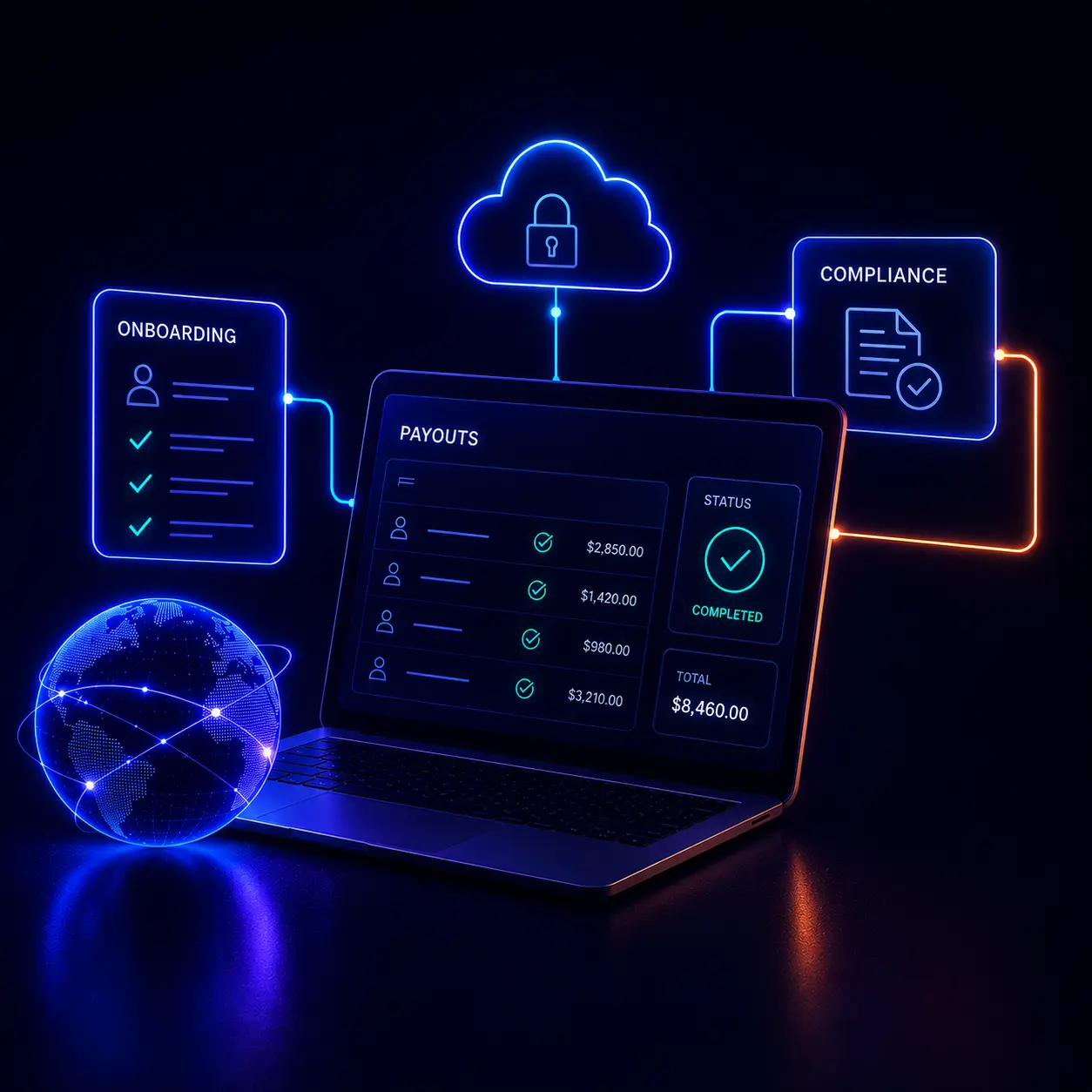








As part of a major modernization effort, the IRS is transitioning away from the legacy FIRE system and moving tax reporting toward IRIS — a new API-based filing infrastructure designed to support the future of electronic information return filing.
For businesses managing large-scale 1099 reporting, that kind of transition could mean new systems, new filing logic, and more engineering work.
That’s why Trolley is making life easy and handling the IRIS transition for merchants behind the scenes.
Tax year 2026 (filing season 2027) is the IRS’s targeted timeline for retiring the FIRE system, and Trolley will be ready well in advance of the transition so merchants can continue filing without disruption.
We’re also introducing support for Combined Federal/State Filing (CF/SF) reporting, so merchants using Trolley Tax can continue managing US tax compliance through the workflows they already know.
What we cover
What’s changing in Trolley Tax
Trolley is introducing:
- IRIS-ready filing infrastructure
- Combined Federal/State Filing support
- Expanded correction workflows
- Multi-jurisdiction tax reporting support
Weathering a major IRS transition without major operational disruption
The move from FIRE to IRIS represents a significant technical shift for businesses filing information returns electronically.
Historically, tax reporting workflows have relied on older file-based transmission systems and long-standing IRS infrastructure. IRIS introduces a more modern API-driven reporting model with updated submission and validation processes.
However, for many businesses, adapting to these changes would require some internal lift:
- Updating e-file generation workflows
- Building support for new IRS transmission requirements
- Managing new API integrations
- Testing updated filing logic ahead of tax season
- Monitoring evolving IRS technical specifications
On our end, though, Trolley is taking care of those changes.
We’re updating our tax infrastructure, e-file generation systems, and IRS transmission workflows to work with IRIS from day one, so merchants can continue filing through Trolley without needing to overhaul anything.
For finance and operations teams using Trolley, that’ll mean no real changes in how they operate and continued confidence heading into tax season.
Expanded support for corrections
As part of this transition, Trolley is also expanding our support for different types of filing corrections directly within the platform.
Previously, some correction scenarios required manual handling by Trolley’s internal team.
Now, merchants will be able to manage additional correction types directly through platform-supported workflows, including:
- Filing a nil return when a form should not have been filed for a recipient
- Correcting the recipient name or TIN information from an original filing
By bringing these self-serve correction workflows directly into the platform itself, merchants gain faster resolution times and a more streamlined operational process, critical during tax season.
Introducing combined federal and state reporting support
Alongside the IRIS transition, Trolley is also introducing support for the Combined Federal/State Filing (CF/SF) program. Under CF/SF, merchants file with the IRS once, and the IRS forwards eligible filing information to participating state tax agencies automatically.
For the first time, merchants will be able to file eligible 1099 information returns—like Forms 1099-NEC and 1099-MISC—to participating states via Trolley using the IRS combined filing program.
This helps simplify multi-level reporting workflows while reducing the amount of duplicate filing coordination required during tax season.
For finance and tax teams already managing complex reporting obligations, this creates a more centralized filing experience inside Trolley.
It’s important to note that Trolley is not currently supporting direct state filing requirements for states that require separate submissions outside the IRS combined filing framework. Depending on form type and reporting thresholds, some states may still require direct filing workflows.
Built for the future of tax compliance
Tax reporting requirements continue evolving rapidly.
Between changing IRS systems, expanding state requirements, and growing reporting obligations for digital platforms and marketplaces, compliance infrastructure needs to remain adaptable without increasing operational burden.
IRIS and state reporting support represent another step toward modernizing how businesses manage tax compliance through Trolley.
By handling the technical complexity behind the scenes, we’re helping merchants stay focused on running their business instead of managing shifting IRS infrastructure.
That’s why we’re also introducing multi-jurisdiction tax reporting — so merchants can onboard recipients once, manage reporting across multiple supported countries from a single account, and scale compliance workflows more efficiently over time.
Together, these updates help create a more unified approach to global tax operations while reducing the manual overhead traditionally associated with large-scale tax reporting.